The Aesthetic Re-Construction of Reality (in the Digital Era)
Some Guy on Some Crazy Journey (circa 2025)
As aesthetics shape what we want and ethics shape what we should want, I believe aesthetics can actually create belief systems of their own, as they influence wants and desires which can be subconsciously translated into ethical logic. Aesthetics often do not come from items alone; rather, they are articulated into belief systems that are served as a package.
Rather than an interpretation of reality, aesthetics are an edit of it. They need raw reality to interpret and transform as a supply for their vision. In this sense, every aesthetic is secondary to reality, but it utilizes it to the point that aesthetic production can become more meaningful to experience for the individual than raw phenomenological reality. The internet makes this process much stronger because platforms are built around repetition. Yet, in another way, it only makes its consumption much more customizable than in previous times, where everything was shaped by mainstream storytellers. Nowadays, through simple browsing, users are repeatedly shaping their exposure to a specific aesthetic world.
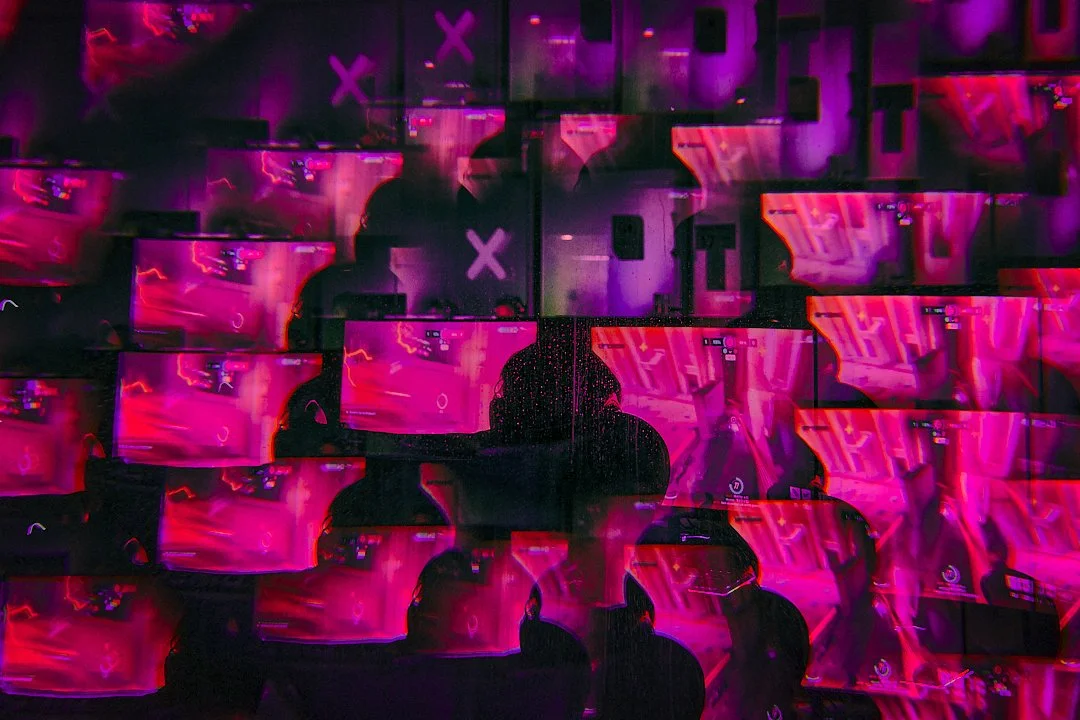
Internet aesthetics such as cyberpunk, liminality, vaporwave, and others are not just visual styles. They are complete symbolic worlds with their own meanings. Each aesthetic creates a specific way of seeing reality. They do not only show people what things look like; they suggest what kind of life, personality, and emotional experience someone might want.
Cyberpunk, beyond the beauty of neon lights, rainy streets, loneliness, and futuristic decay, seems to long for a dystopian world. It is very different from utopian societal contexts. Within it, one can interpret a preference for transhumanist ideology or a subcultural trend that challenges the perception that technology is improving the lifestyle of the majority, instead suggesting that it may enhance social gaps. The joy an individual finds in certain styles changes their preferences and belief systems over time, especially through what they interpret as meaningful.
People no longer only define themselves through traditional categories like family, profession, nationality, or community alone. They also define themselves through visual worlds and aesthetic affiliations often consumed online. Yet, although aesthetic identity can be positive because it helps people discover themselves, it can also become restrictive. The aesthetic that once provided freedom can become a limitation.
Brands understand this power and use aesthetics to influence customers. The customer is not only buying an object — they are buying access to a world. Strong branding is therefore about creating a consistent system of desire. In this sense, it is important to realize how much power over perception social media algorithms actually give users, and how much they simultaneously sandbox them within a system that monetizes their attention, socializes their experiences, and shapes their consumer preferences.